
Arrest Warrants in Lafourche Parish
An arrest warrant is a magistrate's written order to take someone into custody and book that person. In Lafourche Parish the signer may be a 17th Judicial District judge. A city or municipal judge can issue one as well. So can another authorized magistrate, depending on the offense and the court that opens the case. Once signed, the warrant goes to a law-enforcement agency for service. An arrest then feeds into parish booking and the bond process. The issuing court keeps control of the case from start to finish. Note: A search warrant authorizes a search of a place or thing and is a separate instrument from an arrest warrant.
How Lafourche Parish Arrest Warrants Begin
A Lafourche Parish warrant begins with a sworn complaint. La. C.Cr.P. art. 202 requires a complaint affidavit stating the nature, date, and place of the alleged offense along with the names involved. The magistrate must then find probable cause.
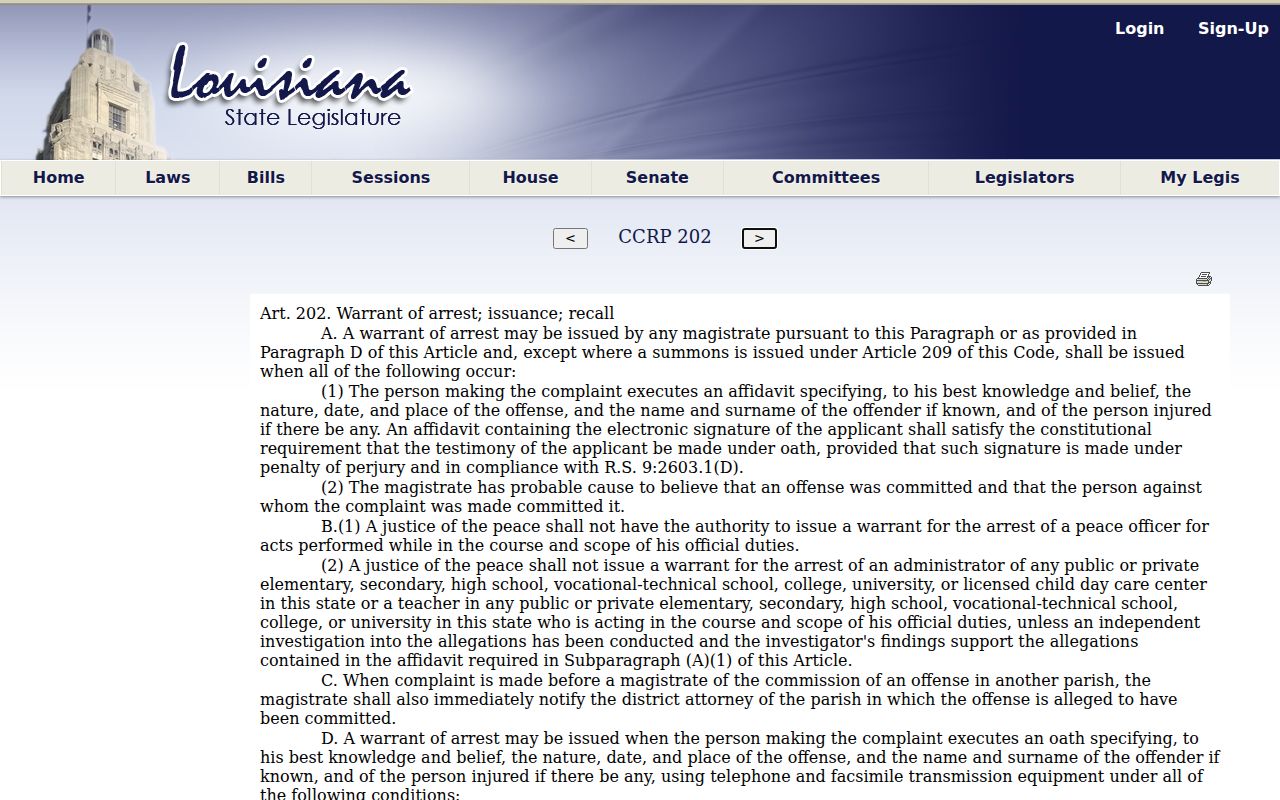
Article 203 governs the warrant's written form. Lafourche Parish courts also issue warrants on an indictment or a bill of information under art. 496.
What a Lafourche Parish Arrest Warrant Contains
Lafourche Parish law spells out each required item on the warrant.
| Issuing Date and Place | When and where the magistrate signed it |
|---|---|
| Person | A name, or a description that identifies the person with reasonable certainty |
| Offense | The charge the person is accused of |
| Command | The order to arrest and book the person |
| Signature | The magistrate's signature and title |
| Bail | An amount a magistrate may set in a noncapital case |
A portal entry in Lafourche Parish shows a charge and a bond amount, not the warrant document itself.
Who Serves a Lafourche Parish Arrest Warrant
Service falls to the agency holding the case. LPSO Judicial Services handles parish-wide process and warrants, while municipal departments serve within their own jurisdictions.
- LPSO Judicial Services for parish matters and courthouse process
- Thibodaux Police or the City Marshal for city matters
- Lockport and Golden Meadow police for town matters
- One of four elected JP constables for that court's process
- Louisiana State Police or federal agencies on their own warrants
In Lafourche Parish, the Thibodaux City Marshal's published duties include executing warrants, transporting prisoners, and serving civil and criminal process.
How Lafourche Parish Arrest Warrants Are Served
Service happens when an officer takes the person into custody under the warrant's authority. That can occur at a traffic stop. A home or the courthouse works as well. A planned surrender can also be arranged through an attorney instead of waiting on an arrest. LPCC is the parish booking and pretrial facility. LPCC takes bookings from Lafourche Parish, Thibodaux, Lockport, Golden Meadow, the Port Fourchon Harbor Police, and other agencies. Appearances can be in person or by video. After booking, the choice rests with each division's discretion. Note: No universal time from arrest to first appearance is promised, so ask the facility what to expect.
Booking and Bond at the Lafourche Parish Correctional Complex
The correctional complex sits on Veterans Boulevard. Lafourche Parish opened it in January 2019 to replace the older detention center, which is why some older pages list a different address.
Bond facts: Cash, surety, property, personal recognizance, and judge-authorized fines and costs are the five published methods. A cash bond is refunded after the proceedings less a $30 fee.
Confirm the amount and the correct location before traveling. In Lafourche Parish, a bond receipt releases the person, and it does not end the case.
Arrest Warrant vs Summons vs Bench Warrant
Three documents, three different starting points.
| Document | What It Does | Where It Comes From |
|---|---|---|
| Arrest warrant | Authorizes custody and booking on probable cause | A judge or magistrate, after a complaint |
| Summons | Orders a person to appear without custody | The court handling the charge |
| Bench warrant | Authorizes custody after a missed appearance | The court that set the date |
| Attachment | Compels an appearance in some summons matters | A municipal, city, or JP court |
A missed court date starts the Lafourche Parish bench warrant process. That is why the first call goes to the court that set the date.
Federal Arrest Warrants Outside Lafourche Parish
Lafourche Parish sits in the Eastern District of Louisiana, based in New Orleans. Federal warrants never appear in the parish portal. Sealed indictments stay out of public dockets entirely.
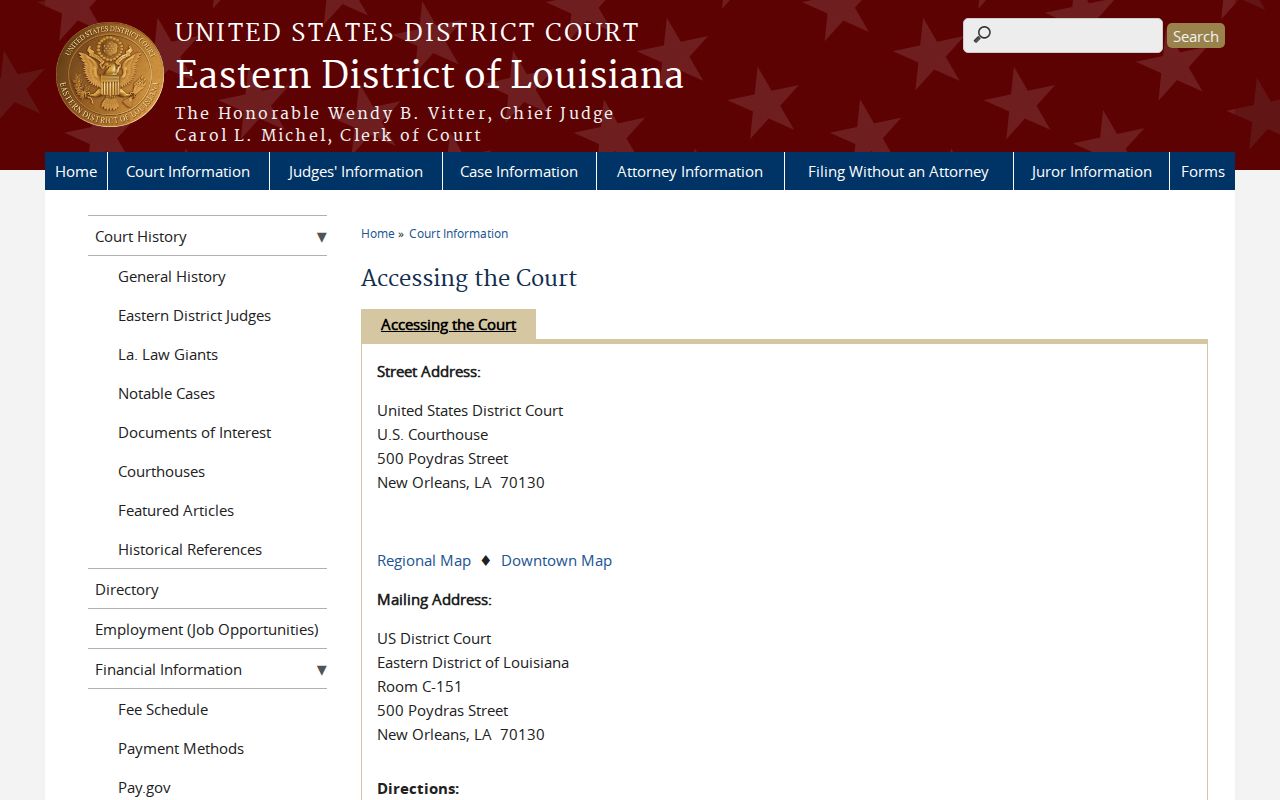
PACER shows public docket entries for a fee. $0.10 per page applies. Most documents are capped at $3, and nothing is owed when quarterly use stays at $30 or less, per the PACER pricing page. The U.S. Marshals Service serves federal arrest warrants, and its Eastern District office handles Lafourche Parish and this region.
What to Do If There Is a Warrant for You
Talk to an attorney first. In Lafourche Parish, counsel can contact the issuing court, explain the charge, and arrange a surrender or a motion where the law allows one.
Urgent: Do not walk into a courthouse or jail without confirming the process. A lawyer can arrange the surrender route, the correct location, and the bond plan in advance.
If the court directs a surrender, confirm whether booking happens at the correctional complex or the South Lafourche Substation. Bring photo identification. Keep every release paper and the Lafourche Parish court date.
Voluntary Surrender Has to Be Arranged
The official pages show surrenders do happen. People turn themselves in and are booked at the correctional complex, and bond can follow. No walk-in counter schedule is posted. Nor does any office promise that a Lafourche Parish counter takes a surrender at any hour. So call before you go. Reach LPSO at (985) 448-2111 and the issuing court, and ask where to report, which documents to bring, and whether an attorney should be present. The warrant resolution section collects the steps. Note: A scheduled surrender is safer than an unplanned encounter, but only the court and counsel can set the terms.